As a go-to Tribeca derm, I consider vitamin C part of the anti-aging trifecta, along with sunscreen and a retinoid, so it should come as no surprise that I generally recommend a vitamin C product to everyone. Topical vitamin C is a powerful workhorse that can protect, repair and enhance your skin.
What exactly is vitamin C doing in my skin?
Vitamin C is essential for collagen synthesis, blocks melanin synthesis, and has anti-inflammatory activity. However, it primarily acts as an antioxidant, which basically means that it prevents skin damage due to free radicals. Free radicals are generated from ultraviolet radiation (sunlight) as well as other external environmental factors, such as cigarette smoke, industrial chemicals and other pollutants. Free radicals trigger oxidative stress that can damage cell membranes, proteins and DNA in the skin. The resulting breakdown in collagen and elastin contributes to signs of aging, including fine lines and wrinkles and loss of firmness. Free radicals can also trigger hyperpigmentation (dark spots) and impair the skin’s barrier function, making it more susceptible to damage from external factors, leading to skin dryness and irritation.
What is L-ascorbic acid?
L-ascorbic acid is the active form of vitamin C. There are different forms of vitamin C and they must be converted to L-ascorbic acid to be effective. The sweet spot for concentration is 10% to 20%. It’s important to note that its efficacy is proportional to concentration but only up to 20% and going higher increases irritation potential without added benefit. Also important to note, that L-ascorbic acid also requires a low pH and this low pH can cause irritation, so may not be the ideal choice for those with sensitive skin.
What about the other forms?
Here’s a brief overview of other forms of vitamin C you may find in skin care. While these forms are generally considered more stable than L-ascorbic acid, they are converted into L-ascorbic acid in the skin to be effective.
| Form | Solubility | Other |
| Ascorbyl glucoside | Water | Better choice for sensitive skin |
| Tetrahexyldecyl ascorbate (THD Ascorbate) | Oil | May penetrate the skin better than other forms |
| Ascorbyl palmitate (vitamin C ester) | Oil | May penetrate the skin faster than other forms of vitamin C
Less likely to cause irritation so good choice for sensitive skin |
| Ascorbyl tetraisopalmitate | Oil | Stable at pH<5
May penetrate the skin better than other forms Less liley to cause irritation so good choice for sensitive skin |
| Ethylated ascorbic acid (3-O-ethyl ascorbic acid) | Water | Ethylated form of vitamin C-ethylation enhances absorption
Not very well researched |
| Magnesium ascorbyl phosphate (MAP) | Water | Less potent than ascorbic acid
Stable at pH7 Good choice for sensitive skin |
| Sodium ascorbyl phosphate | Water | Stable at pH7
Not very well-researched Good choice for sensitive skin |
Besides the form of vitamin C, what else should I consider when choosing a product?
Because it’s an antioxidant, vitamin C is sensitive to light and air—meaning that when exposed, it degrades and loses efficacy. Therefore, proper packaging is very important. Look for opaque packaging that does not allow light to permeate. Airtight packaging is also helpful.
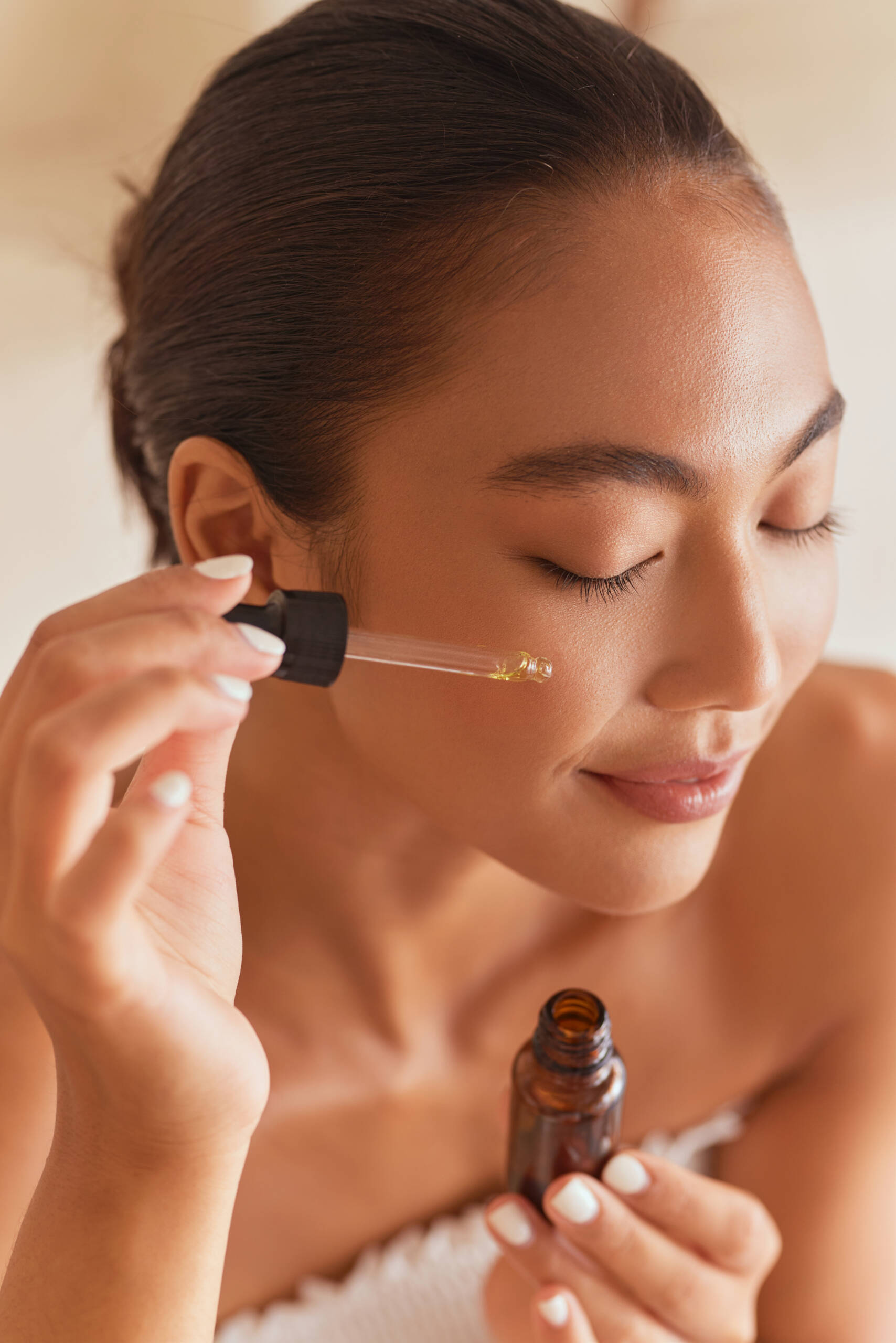
I usually recommend choosing a serum as they are absorbed more readily than a cream or moisturizer and tend to deliver a higher concentration, so they are more potent. Because of their higher concentration, they may be more irritating so if you have sensitive skin keep that mind. They are also not moisturizing so that’s important to consider, particularly if you have dry skin.
Ok all this is great but isn’t there some type of cheat sheet way of picking the right product?
Yes there are some tips you can use to easily select a product
Sensitive skin: Start with a lower concentration (10-15%), and a pH closer to the skin’s natural pH (5-6)
And while you can count your morning OJ as a good defense for your bod, the best way to achieve vitamin C’s protection and benefits for skin is to apply it topically.
That’s because when we eat, drink, or supplement vitamin C, also known as ascorbic acid, our skin only gets a small fraction of the benefits. However, pressing vitamin C in serum form, after it’s been chemically altered, actually lets our skin absorb more of it in an efficient way.
Experience The SmarterSkin Difference With The Best Tribeca Derm
SmarterSkin Dermatology is a leading dermatology practice in New York, specializing in advanced skincare treatments that deliver real, lasting results. Our team of industry-leading dermatologists, often featured in top publications and media outlets, is dedicated to helping patients achieve healthy, glowing skin through personalized care and cutting-edge technology. From laser treatments to medical-grade skincare, we offer a comprehensive range of services tailored to your unique needs. The skin of your dreams is just a call away – (212) 225-8444.